1. Prevention: The economic and clinical logic
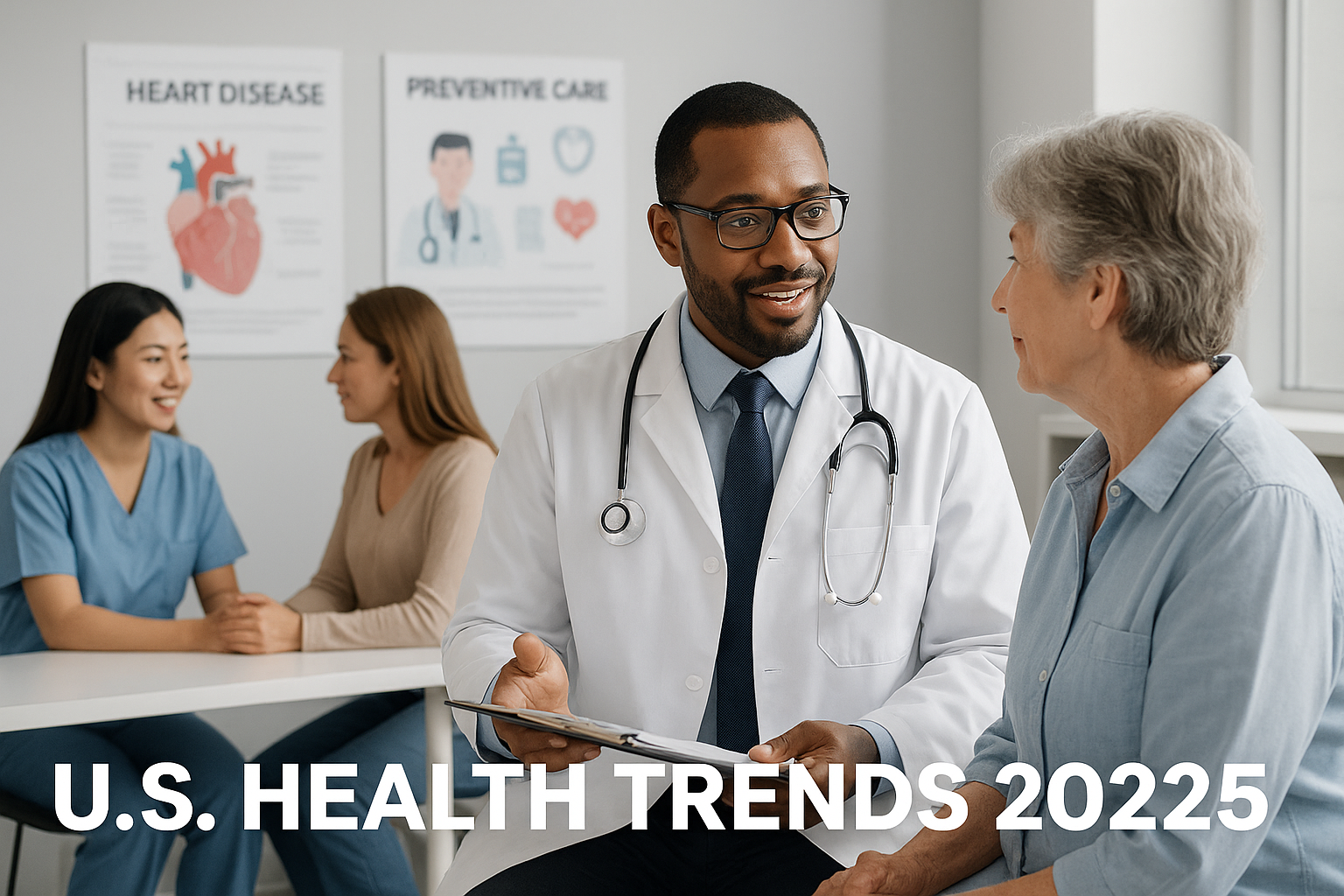
Preventive care has moved from health-policy rhetoric to operational priority in clinics and insurers across the country. Health systems are increasingly investing in early screening programs, vaccination outreach, lifestyle medicine and community-based interventions that can reduce hospitalizations and long-term costs.
Why? The math is simple: detecting disease early and reducing risk factors is cheaper than treating advanced conditions. Employers and insurers have also accelerated investments because prevention can lower absenteeism and long-term claim expenses.
Practical outcomes observed this year include expanded coverage for annual wellness visits, incentive programs for tobacco cessation, and larger employer-funded fitness or nutrition programs. Primary care networks report higher appointment volumes for screenings—particularly for cardiovascular risk factors and colorectal cancer screening—reflecting both public awareness and stronger provider outreach.

2. Chronic disease remains the dominant challenge
Despite stronger emphasis on prevention, chronic illnesses—especially heart disease, diabetes, obesity and hypertension—remain the top clinical challenge in the United States. Clinical leaders warn that these conditions are not only prevalent but increasingly complex due to comorbidities and social determinants of health.
Obesity continues to affect nearly one-third of adults in many regions, with notable increases among younger age groups. Diabetes incidence remains high, and clinicians report growing numbers of patients with earlier onset of Type 2 diabetes. These patterns amplify demand for long-term care management, medications and specialist services.
Health systems are responding with multidisciplinary care teams, expanded remote monitoring for chronic conditions, and tailored population health programs that focus on medication adherence, nutrition counseling and exercise planning.
What this means for patients
- Greater emphasis on coordinated, team-based care rather than episodic treatment.
- More use of remote monitoring devices for blood glucose, blood pressure and heart rhythm.
- Expanded access to community health workers and chronic-disease coaches.
3. Mental health: a sustained national focus
Mental health remains a top concern. Anxiety, depression and substance-use issues continue to be widely reported, especially among teens and young adults. The cultural shift toward de-stigmatization has increased demand for services, while the workforce shortage in behavioral health remains a bottleneck.
Key developments seen in 2025 include growth of virtual therapy platforms, school-based mental health services, and new public funding aimed at crisis response and suicide prevention. Employers are expanding mental-health benefits and offering more flexible leave policies to accommodate treatment.

4. Digital health and telemedicine: mainstream and maturing
Telehealth adoption, which spiked during the pandemic, has matured into a normalized part of care. Virtual visits are widely accepted for behavioral health, triage, chronic-disease check-ins and some acute complaints. Remote patient monitoring devices—wearables, connected glucometers and blood pressure cuffs—are bridging the gap between clinic visits and daily life.
Artificial intelligence and data analytics are increasingly layered into clinical workflows: for risk stratification, drug-interaction checks and clinical decision support. While AI-enabled tools promise efficiency and earlier detection, experts caution about algorithmic bias and the need for robust clinical validation.
Opportunities and risks
Digital tools offer better reach to rural patients and those with mobility constraints, but they also expose disparities tied to broadband access, device ownership and digital literacy. Regulators and health systems are therefore focused on equitable deployment—ensuring that digital health does not widen health gaps.
5. Preparedness and public health infrastructure
Public health preparedness remains on policymakers’ agenda. Lessons from the pandemic-era response continue to shape investments in surveillance systems, immunization infrastructure and community-level response capacity. Faster data-sharing across agencies and the ability to mount rapid vaccination campaigns are central priorities.
Local public health departments report stronger partnerships with hospitals and community organizations, while state agencies are investing in laboratory capacity and emergency logistics. These investments aim to reduce response time for future outbreaks and to protect communities with higher vulnerability.
6. Lifestyle medicine and patient-driven care
There’s growing consumer interest in lifestyle-based prevention and management approaches. Patients and clinicians alike are adopting plant-forward diets, structured physical activity, sleep optimization, and mindfulness as adjuncts to clinical treatment. Lifestyle medicine clinics and referral pathways—from PCPs to dietitians and exercise physiologists—are becoming more visible in care networks.
These interventions are not panaceas, but when combined with medication and clinical management for chronic disease, lifestyle changes can reduce medication needs and improve quality of life.
7. Affordability and access: policy pressure continues
Affordability remains an urgent policy issue. High deductibles, rising prescription drug prices and surprise billing continue to strain household budgets even for insured families. Policymakers at the federal and state level are pursuing reforms—ranging from targeted subsidies to rules on out-of-network billing—and drug-price negotiations are an ongoing legislative topic.
For many Americans, decisions about care are still shaped by cost: delaying elective procedures, skipping medications, or avoiding preventive visits due to co-pay concerns. Health economists warn that untreated conditions result in higher acute-care costs later, reinforcing the economic case for affordability reforms.
8. Social determinants and equity: care outside the clinic
Health systems are increasingly addressing factors outside medical care that influence outcomes—food insecurity, housing instability, transportation barriers, and education. Programs that screen patients for social needs and connect them to community services are scaling, often funded through public-private partnerships or value-based contracts.
Better integration between health care and social services is improving outcomes for vulnerable patients but sustaining these programs requires ongoing funding and cross-sector coordination.
9. Workforce challenges and innovations
Workforce shortages—particularly in nursing, primary care and behavioral health—are reshaping service delivery. Staffing gaps have encouraged health systems to redesign care models: greater reliance on nurse practitioners and physician assistants, expanded roles for community health workers, and team-based care structures that maximize capacity.
Training, retention incentives and flexible scheduling are priorities to stabilize the workforce. Telehealth also helps by enabling specialty consultations to reach understaffed areas more efficiently.
10. The role of research and evidence
New clinical evidence and real-world studies are influencing practice patterns in 2025. Comparative effectiveness research is guiding choices for widely used medications and interventions. At the same time, health systems are increasingly using their own patient data to test care-delivery changes and document value in real-world settings.
This practical evidence helps systems scale what works locally and informs payer negotiations for coverage and reimbursement.
What this means for Americans — practical takeaways
- Talk to your primary care provider about preventive services. Many screenings and preventive measures are low-cost or covered—ask what is appropriate for your age and risk profile.
- Use telehealth where appropriate. Virtual visits can save time and reduce exposure risks for routine consultations and mental health care.
- Prioritize mental health. If you’re struggling, consider teletherapy or employee assistance programs—recognizing that help is increasingly accessible.
- Monitor chronic conditions actively. If you have hypertension, diabetes or heart disease, ask about remote monitoring options and care-team support.
- Understand costs. Before procedures or new medications, check coverage, prior-authorizations and out-of-pocket estimates with your insurer and provider.
- Address social needs early. If you face food, housing or transportation barriers, ask your clinic if it can connect you to community resources.
Voices from the field
Clinicians and public health leaders emphasize a pragmatic, patient-centered approach. “We’re seeing real progress when health systems partner with communities,” said a primary care director in a Midwestern health network. “But to make this sustainable, we need policy support for affordability and more investment in public health.”
Policy analysts note that 2025 is not a year of dramatic single-policy breakthroughs but rather a time of incremental advances across technology, public health infrastructure and care delivery—advances that together may produce measurable gains over the next decade.
Remaining unknowns and watchpoints
Several uncertainties could influence outcomes over the near term:
- How quickly state and federal policies on drug pricing and surprise billing will translate to reduced out-of-pocket costs.
- Whether AI tools can be scaled safely without exacerbating disparities.
- How workforce shortages will be addressed, especially in rural and underserved urban areas.
- Whether preventive programs achieve broad uptake among the populations that need them most.
Conclusion
U.S. health in 2025 is at a crossroads. The convergence of preventive emphasis, digital innovation and renewed public-health focus presents a compelling opportunity to improve outcomes—but persistent affordability issues and chronic disease burdens temper optimism. For patients, clinicians and policymakers, success will hinge on practical investments that expand access, promote equity, and ensure innovation benefits all communities.
Reporting note: This article synthesizes public health reports, clinical observations and health-system trends visible in 2025. For personal medical decisions, consult a licensed healthcare provider.