Introduction to SR-22 Insurance
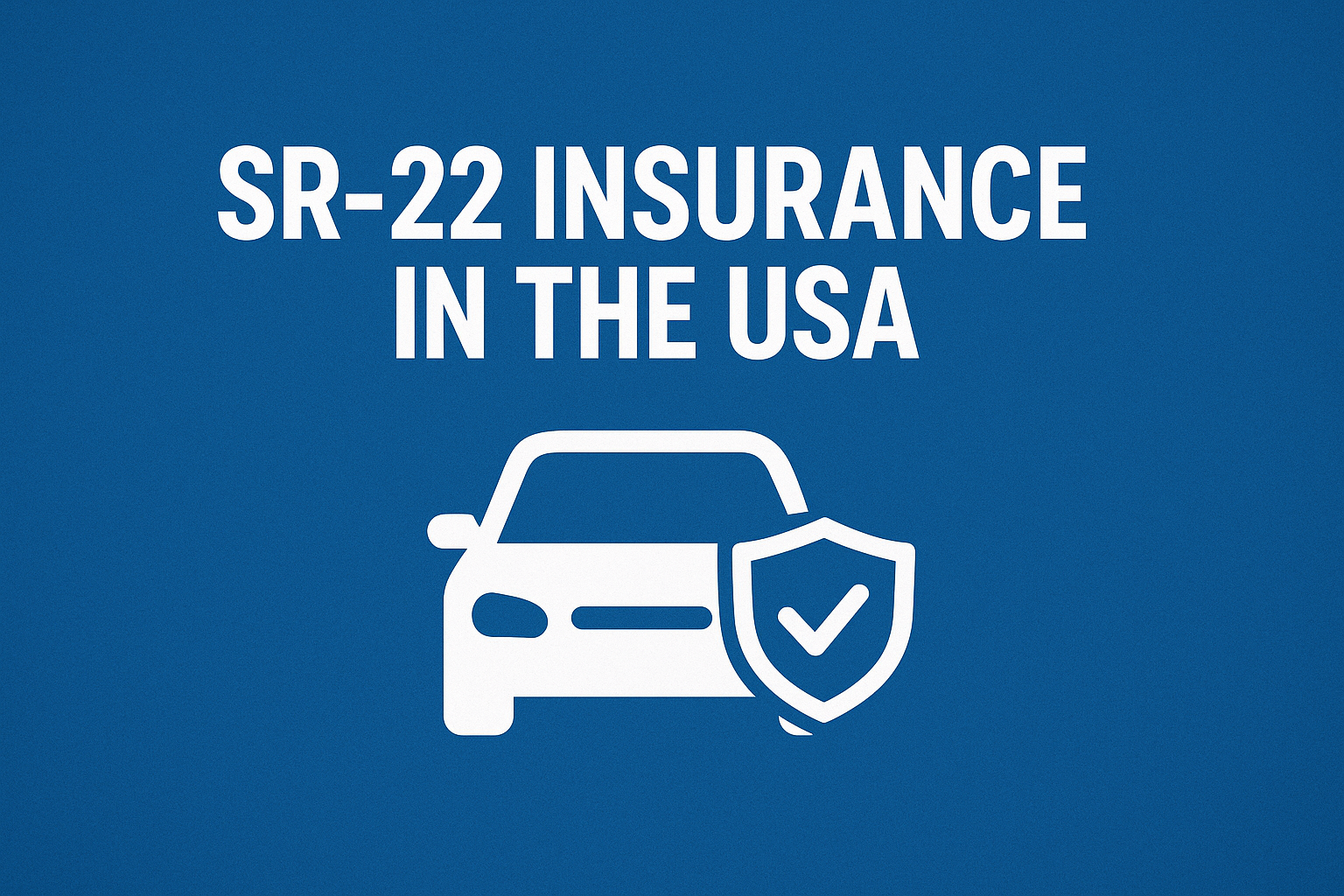
SR-22 insurance is often misunderstood by drivers across the United States. Many people think SR-22 is a type of insurance policy, but in reality, it is a certificate of financial responsibility required by state law for certain high-risk drivers. If you have been convicted of serious traffic violations such as DUI, reckless driving, or driving without insurance, you may be required to file an SR-22 to legally drive again.
This guide explains everything you need to know about SR-22 insurance in the USA, including who needs it, how it works, how much it costs, and how long you must keep it. Whether you are facing an SR-22 requirement or simply want to understand how it works, this article will help you make informed decisions.
What Is SR-22 Insurance?
SR-22 is a form filed by your auto insurance company with your state’s Department of Motor Vehicles (DMV). It proves that you carry the minimum required liability insurance coverage mandated by your state. The purpose of SR-22 insurance is to ensure that high-risk drivers remain financially responsible while driving.
Unlike traditional insurance policies, SR-22 does not provide coverage by itself. Instead, it is attached to an auto insurance policy and serves as proof that you are meeting legal insurance requirements.
Why Is SR-22 Required?
States require SR-22 filings to monitor drivers who have demonstrated risky behavior on the road. These drivers are statistically more likely to be involved in accidents or violations. By requiring SR-22 insurance, states aim to protect other motorists and ensure accountability.
If your insurance policy lapses or is canceled during the SR-22 period, your insurance company must notify the DMV, which can lead to immediate license suspension.
Who Needs SR-22 Insurance in the USA?
You may be required to file SR-22 insurance if you have committed certain traffic-related offenses. Common reasons include:
- Driving under the influence (DUI or DWI)
- Reckless or negligent driving
- Driving without insurance
- Multiple traffic violations in a short period
- At-fault accidents without insurance
- License suspension or revocation
Each state has its own rules, but SR-22 requirements are generally imposed after serious violations.
States That Require SR-22
Most U.S. states require SR-22 filings, including California, Texas, Florida, Illinois, Ohio, Virginia, and Arizona. However, some states use alternative forms such as FR-44. The exact rules, minimum coverage limits, and duration vary by state.
How SR-22 Insurance Works
Once required, you must contact an insurance provider that offers SR-22 filing. The insurer files the SR-22 form electronically with the state DMV on your behalf. As long as your policy remains active, your SR-22 stays valid.
If you cancel your policy or miss payments, the insurer files an SR-26 form, notifying the state that your coverage has ended. This often results in license suspension and additional penalties.
Types of SR-22 Insurance Policies
Owner SR-22 Policy
This policy is for drivers who own a vehicle and need SR-22 filing attached to their existing auto insurance.
Non-Owner SR-22 Policy
Designed for drivers who do not own a car but still need to meet state insurance requirements. It covers liability when driving borrowed or rented vehicles.
Operator-Owner SR-22 Policy
This policy covers both owned and non-owned vehicles and is suitable for drivers who regularly drive different cars.
How Much Does SR-22 Insurance Cost?
The cost of SR-22 insurance varies depending on factors such as driving history, state regulations, and insurance provider. The SR-22 filing fee itself is usually between $15 and $50. However, the real cost increase comes from higher insurance premiums.
High-risk drivers can expect premiums to increase by 30% to 100% or more. Shopping around and comparing quotes is the best way to find affordable SR-22 insurance.
How Long Do You Need SR-22 Insurance?
Most states require SR-22 insurance for three years, but the duration may range from one to five years depending on the severity of the violation. The clock starts once your SR-22 is filed, not when the violation occurred.
Maintaining continuous coverage is essential. Any lapse resets the requirement period in many states.
How to Get SR-22 Insurance
- Confirm SR-22 requirement with your state DMV
- Contact an insurance provider that offers SR-22 filing
- Purchase the required insurance policy
- Ensure the insurer files the SR-22 with the DMV
- Maintain continuous coverage for the required period
Can You Get SR-22 Without a Car?
Yes, you can obtain non-owner SR-22 insurance if you do not own a vehicle. This option is often more affordable and fulfills legal requirements while allowing license reinstatement.
What Happens When SR-22 Ends?
Once you complete the required period, your insurer can remove the SR-22 filing. At this point, your insurance rates may gradually decrease, especially if you maintain a clean driving record.
How to Lower SR-22 Insurance Costs
- Compare quotes from multiple insurers
- Maintain a clean driving record
- Choose a non-owner policy if applicable
- Bundle insurance policies
- Complete defensive driving courses
SR-22 Insurance Myths
Myth: SR-22 is a type of insurance.
Fact: It is a certificate proving insurance coverage.
Myth: SR-22 stays on your record forever.
Fact: It is temporary and usually required for a few years.
Final Thoughts
SR-22 insurance is a legal requirement designed to help high-risk drivers regain their driving privileges while ensuring financial responsibility. While it can be expensive, understanding how SR-22 works and maintaining continuous coverage can help you complete the requirement successfully.
If you are required to carry SR-22 insurance, act promptly, compare options, and stay compliant with state laws. Doing so will help you get back on the road legally and work toward lower insurance rates in the future.