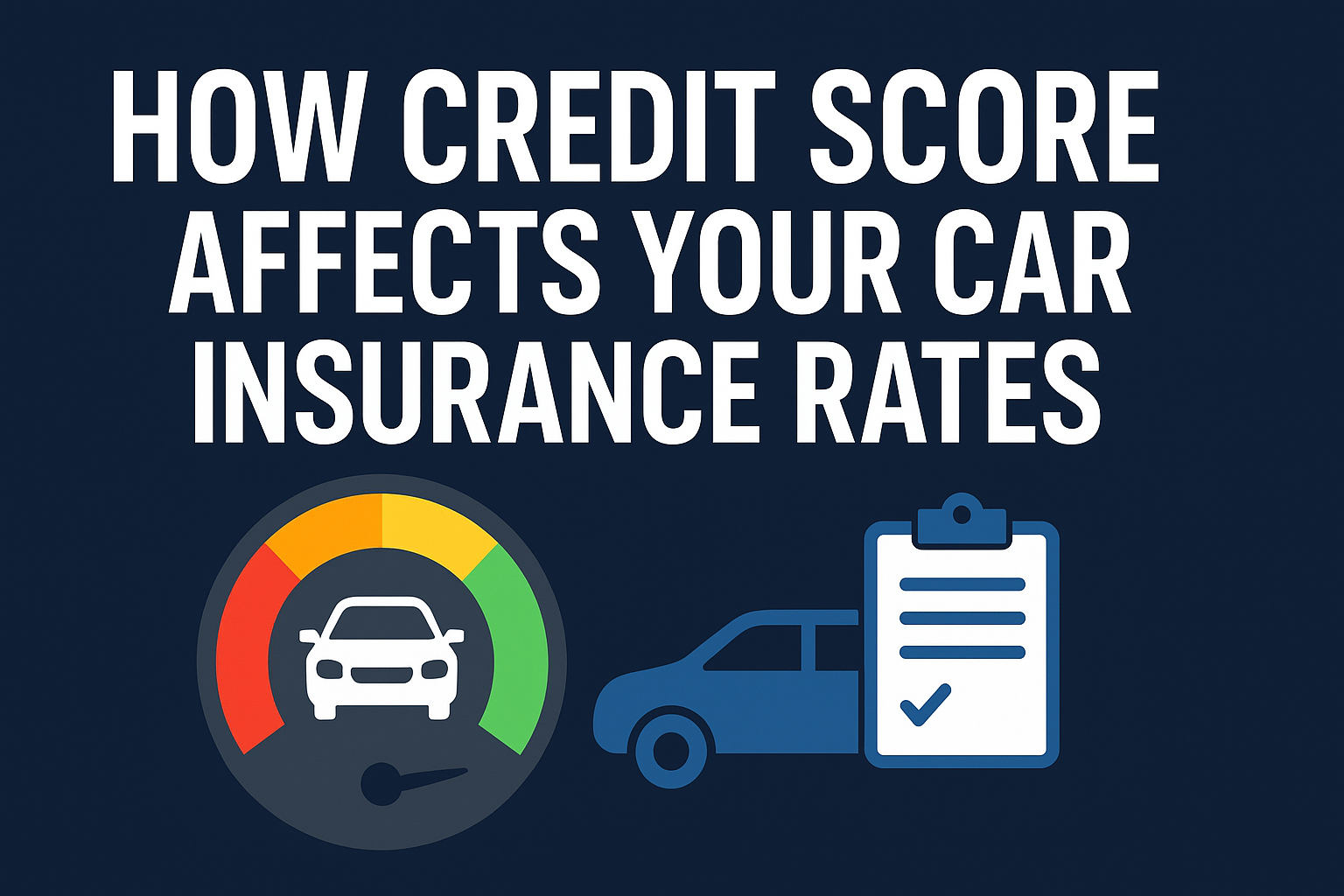
When it comes to car insurance in the United States, many drivers focus solely on their driving history, age, or location when calculating premiums. While these factors are indeed important, one often overlooked element that can have a significant impact on your car insurance rates is your credit score. Understanding how your credit score affects your car insurance rates can save you hundreds or even thousands of dollars annually and help you make smarter financial decisions.
What Is a Credit-Based Insurance Score?
A credit-based insurance score is a type of rating used by insurance companies to predict a policyholder’s likelihood of filing a claim. Unlike your traditional credit score, which lenders use to evaluate your creditworthiness for loans and credit cards, an insurance score focuses on the correlation between your credit behavior and your potential risk as an insurance customer. This score is derived from your credit report and includes factors such as:
- Payment history – whether you pay bills on time
- Outstanding debt – the total amount of debt you carry
- Credit utilization – the ratio of credit used to credit available
- Length of credit history – how long you’ve maintained credit accounts
- Recent credit inquiries – how often you apply for new credit
Insurance companies have found a strong correlation between a person’s credit behavior and the likelihood of filing claims. Drivers with higher insurance scores are statistically less likely to file claims, which translates into lower insurance premiums. Conversely, a lower score may indicate higher risk, potentially raising your insurance rates.
How Insurers Use Credit Scores to Determine Rates
Insurance companies combine multiple factors to calculate your premium, including your driving record, location, type of vehicle, age, and credit-based insurance score. The logic behind using credit scores is simple: financially responsible individuals are often more cautious and less likely to file claims. Insurers use statistical models to weigh credit information alongside other risk factors, resulting in a personalized insurance rate for each driver.
It’s important to note that not all states allow insurers to use credit scores. States like California, Hawaii, and Massachusetts have restrictions on this practice, while most other states permit it. Knowing your state’s regulations is essential to understanding how your credit score will influence your car insurance.
Impact of Credit Score on Different Types of Car Insurance Coverage
Your credit score can affect multiple types of car insurance coverage. Here’s how:
Liability Insurance
Liability insurance covers damage you cause to others in an accident. Insurers often offer lower premiums to drivers with excellent credit scores because they are deemed less likely to file fraudulent or unnecessary claims. Drivers with poor credit may pay more even if they have a clean driving record.
Comprehensive and Collision Coverage
These coverages protect your own vehicle against accidents, theft, fire, or natural disasters. Insurers may raise rates for drivers with lower credit scores, considering them higher risk. Conversely, excellent credit can lead to discounted rates for comprehensive and collision coverage.
Other Optional Coverages
Credit scores can also influence premiums for optional coverages like uninsured/underinsured motorist protection, rental reimbursement, or roadside assistance. The underlying principle remains the same: better credit equates to lower perceived risk.
Why Maintaining a Good Credit Score Saves You Money
Maintaining a strong credit score is one of the most effective ways to lower your car insurance rates. Here’s why:
- Lower Premiums: Insurers reward financially responsible behavior by offering reduced rates to drivers with excellent credit scores.
- Access to More Coverage Options: High credit scores can provide eligibility for policies that may otherwise be unavailable, including higher limits or specialized coverage.
- Better Discounts: Some insurance companies offer additional discounts for responsible financial behavior, which can compound savings.
- Financial Stability: A strong credit history demonstrates that you are capable of managing your finances and meeting obligations, reducing the likelihood of missed premium payments.
Steps to Improve Your Credit Score Before Applying for Car Insurance
If your credit score is lower than you’d like, there are several strategies you can use to improve it and potentially lower your car insurance rates:
- Pay Bills On Time: Consistently paying bills and loans on time positively impacts your credit score.
- Reduce Outstanding Debt: High levels of debt relative to your credit limits can lower your score. Focus on paying down credit cards and loans.
- Limit New Credit Applications: Multiple inquiries for new credit in a short period can negatively impact your score. Avoid opening new accounts before applying for insurance.
- Check Your Credit Report: Obtain a free credit report and dispute any inaccuracies. Errors on your report can unfairly lower your score.
- Maintain Old Accounts: Length of credit history matters. Keep older accounts open to improve your average credit age.
Understanding State Regulations
It’s essential to know how your state regulates the use of credit scores in insurance. Some states completely prohibit the use of credit-based insurance scores, while others allow limited use. For example:
- California: Insurers cannot use credit information when determining car insurance rates.
- Hawaii: Credit scores are restricted for use in auto insurance premium calculations.
- Massachusetts: Credit information cannot be used to determine premiums.
In other states, such as Texas, Florida, and New York, credit-based insurance scores are commonly used and can significantly affect premiums. Checking your state’s regulations ensures you understand how much weight your credit history carries in insurance calculations.
Common Misconceptions About Credit Scores and Insurance
Many drivers are unaware of the relationship between credit scores and insurance. Here are some common myths:
- My Driving Record Alone Determines My Rates: While driving history is critical, credit scores are often equally influential in determining premiums.
- Only Bad Credit Matters: Both low and high credit scores can affect rates. Maintaining excellent credit can unlock lower premiums and discounts.
- Checking My Credit Hurts My Insurance Rates: When you check your own credit, it is considered a “soft inquiry” and does not affect your score or insurance premiums.
Real-Life Examples
Consider two drivers with identical driving records and vehicles:
- Driver A has a credit score of 780. Their insurance company may offer a premium of $900 annually.
- Driver B has a credit score of 580. Even with the same driving record, the premium could rise to $1,500 annually due to higher perceived risk.
This example illustrates how credit-based insurance scores can have a substantial financial impact.
Conclusion
Your credit score is more than a number—it is a critical factor in determining your car insurance rates in the United States. Maintaining a strong credit history can help you save money, access better policies, and enjoy financial stability. By monitoring your credit, making timely payments, reducing debt, and understanding your state’s regulations, you can ensure that your credit score works in your favor when it comes to car insurance. Smart financial management today can lead to significant savings on your car insurance premiums tomorrow.