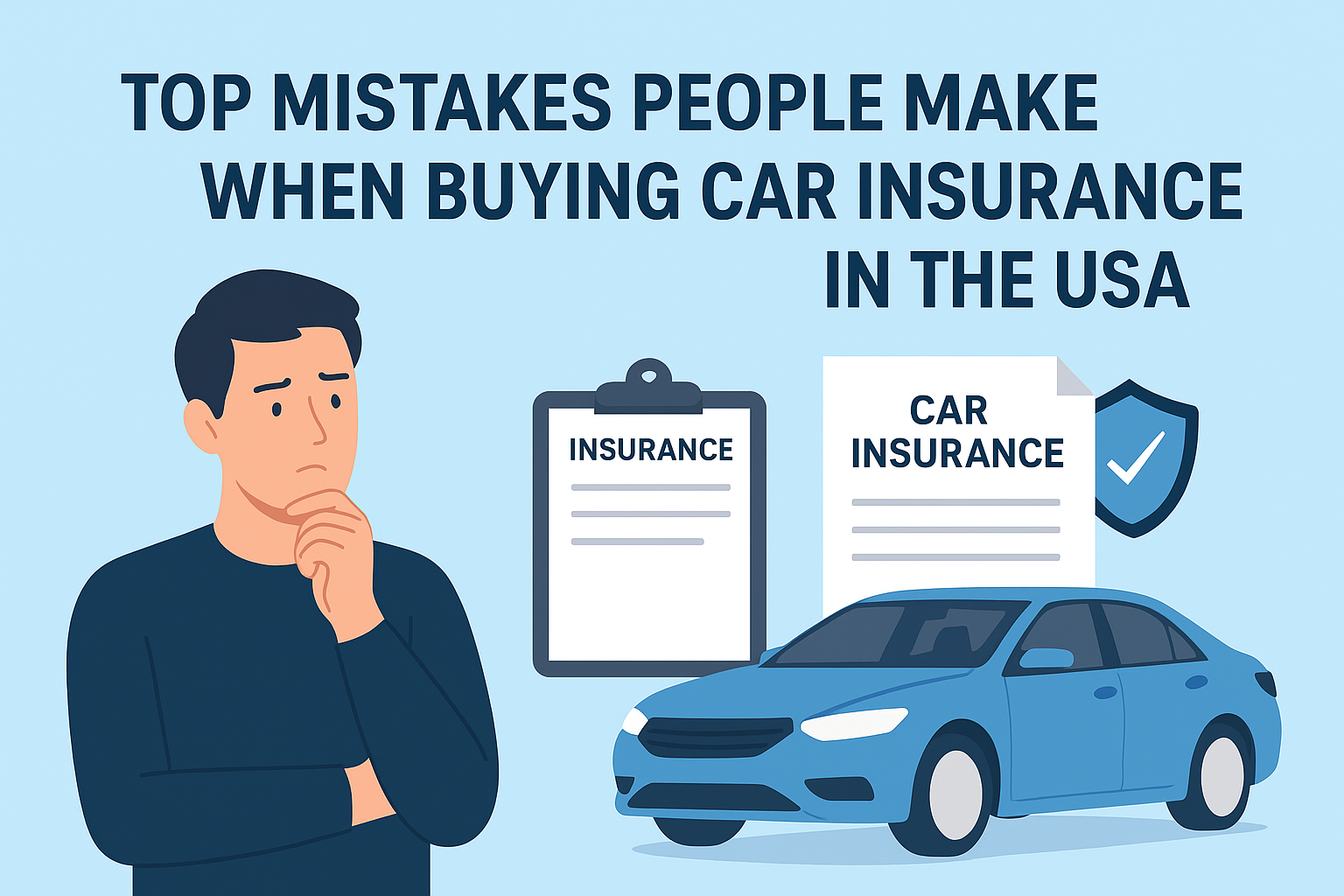
Buying car insurance in the USA is something every driver must deal with, but it is also one of the most confusing financial decisions people make. Auto insurance includes a wide range of coverage options, pricing structures, discounts, and policy rules that vary from company to company. While insurance helps protect you from financial losses during accidents, many Americans unintentionally choose the wrong policy or pay more than they should simply because they are unaware of common mistakes. These mistakes not only increase monthly premiums but also leave drivers with coverage gaps, rejected claims, and unexpected out-of-pocket expenses. In this in-depth guide, we explore the top mistakes people make when buying car insurance in the USA and explain how to avoid them. This detailed article will help you understand the right approach so you can save money, get better protection, and make smarter insurance decisions.
1. Not Comparing Enough Car Insurance Quotes
One of the most frequent mistakes American drivers make is failing to compare multiple insurance quotes. Many people choose the first insurance company they come across or stick to a brand they have heard of without checking alternatives. The problem with this approach is that insurance premiums can vary dramatically between providers. Two companies may offer the same coverage, yet their pricing can differ by hundreds of dollars annually. This happens because insurers calculate risk differently based on internal algorithms and data sources. By not comparing rates from at least five different insurers, drivers could unknowingly pay far more than necessary. Using online comparison tools or contacting independent agents can help you avoid this expensive mistake. When comparing quotes, pay attention not only to premiums but also to coverage limits, deductibles, and the insurer’s reputation.
2. Buying Only Minimum State-Required Coverage
Another major mistake is assuming that state minimum coverage is enough. Every state in the USA requires drivers to carry a minimum level of liability insurance. While these minimums make insurance legal, they rarely provide enough financial protection in real-world accidents. For example, if you cause an accident and the damage exceeds your policy limits, you must pay the remaining costs out of pocket. Medical bills and car repairs in the USA can be extremely expensive, often far higher than the minimum liability requirements. Many drivers choose minimum coverage because it is affordable, but in the long term, it exposes them to financial risk. A better strategy is to choose higher liability limits like 100/300/100, which offer stronger protection in serious accidents. Spending a little more on coverage today can save thousands later.
3. Ignoring Comprehensive and Collision Coverage
Some drivers skip comprehensive and collision coverage to reduce insurance costs. While liability coverage protects the other party, comprehensive and collision coverage protect your own vehicle. Collision covers damage from accidents, while comprehensive covers theft, vandalism, glass damage, fire, weather events, and animal collisions. Without these coverages, you must pay for repairs out of pocket even if your car is stolen or damaged by natural disasters. This mistake is common among drivers who want to save money upfront but end up paying more after an accident. If your vehicle is newer or has a high market value, skipping these coverages can be financially devastating. Even older cars may benefit from comprehensive coverage, especially in areas with high theft or severe weather conditions.
4. Not Understanding Insurance Terminology
Most people buy insurance without fully understanding key terms like deductible, premium, liability, underinsured motorist coverage, and policy limits. This confusion leads to poor decisions and policy gaps. For instance, some drivers confuse full coverage with complete protection, even though full coverage does not include all add-ons. Others choose deductibles without understanding how they affect claim costs. Not knowing these terms makes it difficult to compare policies or negotiate better rates. Before buying insurance, it is essential to educate yourself on basic insurance vocabulary. Understanding the difference between optional and required coverage helps you choose a policy that suits your needs and budget.
5. Choosing a Deductible That Does Not Match Your Budget
The deductible is the amount you pay out of pocket before insurance kicks in. Some drivers choose low deductibles to reduce out-of-pocket expenses, but doing so increases monthly premiums significantly. On the other hand, choosing a high deductible lowers your premium but can cause financial hardship during a claim if you cannot afford the deductible amount. The mistake many people make is selecting a deductible without evaluating their financial situation. If you have savings, a higher deductible can reduce your insurance costs. However, if you live paycheck to paycheck, a lower deductible might be the safer option. The key is finding a deductible that balances affordability and protection.
6. Not Asking About Discounts
Many Americans miss out on discounts simply because they do not ask. Insurance companies offer dozens of discounts, including safe driver discounts, multi-policy bundles, defensive driving course discounts, good student discounts, military and veteran savings, low-mileage discounts, and more. Some insurers also provide discounts for vehicles equipped with safety features like anti-theft devices, backup cameras, or automatic braking. By failing to ask about available discounts, drivers end up paying higher premiums. Always ask your insurer to review every possible discount you qualify for. Sometimes, switching companies can unlock additional savings you might not have known existed.
7. Providing Inaccurate Information During the Application
Accurate information is crucial when applying for car insurance. Many drivers unintentionally provide incorrect details about their mileage, driving history, or address, thinking it does not matter. However, insurance companies rely heavily on this data to calculate premiums and assess risk. If the information is incorrect, claims may be denied or policies canceled. For example, claiming low mileage when you actually drive long distances can cause problems later. Always review your application for accuracy and update your insurance company whenever your circumstances change.
8. Ignoring the Impact of Credit Scores
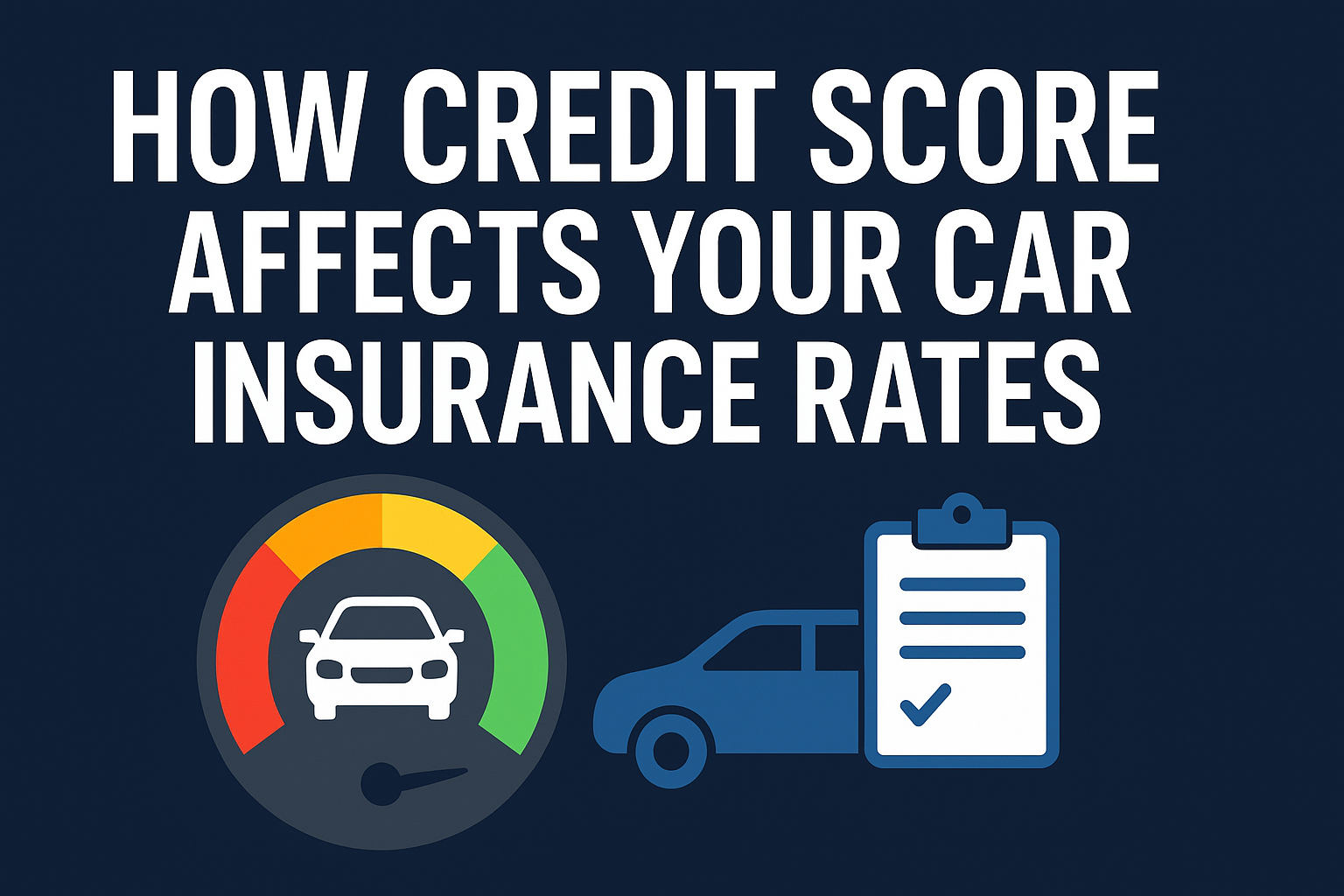
In most U.S. states, your credit score has a major impact on your car insurance premium. Drivers with higher credit scores typically pay less because insurers believe they are more responsible and less likely to file claims. Many people overlook this factor and wonder why their premiums are high. Improving your credit score can significantly reduce your insurance costs. If you have a low credit score, take steps to improve it by paying bills on time, reducing debt, and checking your credit report for errors. Even a small improvement can lead to meaningful savings.
9. Skipping Important Add-Ons
While basic coverage protects you to a certain extent, optional add-ons provide valuable additional protection. Many drivers skip add-ons like roadside assistance, rental reimbursement, gap insurance, and uninsured motorist coverage. These add-ons may seem unnecessary, but they can save you thousands during emergencies. For example, gap insurance is essential for new cars bought on loan, as it covers the difference between the vehicle’s value and what you owe. Uninsured motorist coverage protects you if the at-fault driver has no insurance or insufficient insurance. Skipping these add-ons to save money is a mistake that could lead to large expenses during an accident.
10. Staying with One Insurance Company Too Long
Loyalty is good, but not when it comes to car insurance pricing. Many insurers gradually increase premiums over time, especially for long-term customers who never compare rates. This practice, known as price optimization, takes advantage of customer loyalty. Smart drivers review their policies annually and compare quotes from other insurers. You may find the same coverage for much less simply by switching companies. Even if you prefer your current insurer, negotiating with updated quotes from competitors can help reduce your premium.
11. Focusing Only on Price Instead of Coverage
Choosing the cheapest policy may seem like a smart way to save money, but it often leads to inadequate protection. Low-cost policyholders frequently discover hidden limitations, slow claim processing, or poor customer service. Instead of focusing solely on price, evaluate the quality of coverage, insurer ratings, claim processing speed, and policy flexibility. Cheap insurance may look attractive upfront, but it can be costly during emergencies. The goal is to find the best value, not just the lowest price.
12. Not Considering Driving Habits and Lifestyle
Your daily driving habits influence the type of coverage you need. For example, long-distance commuters may benefit from better roadside assistance and higher liability limits. People who rarely drive may save money with usage-based insurance (UBI) or pay-per-mile options. Young drivers, senior citizens, and parents with teen drivers all have unique insurance needs. Many people ignore their driving lifestyle and purchase generic policies, which leads to overpaying or underinsuring. Understanding your driving habits helps you tailor your policy more accurately.
13. Overlooking Uninsured and Underinsured Motorist Coverage
Millions of drivers in the United States either have no insurance or carry inadequate coverage. If you get into an accident with an uninsured driver, you may have to pay for your own medical bills and car repairs unless you have uninsured motorist coverage. Many drivers skip this coverage to reduce premiums, but it is one of the most important protections you can have. In some states, uninsured motorist coverage is mandatory, but in others, it is optional. Regardless of state requirements, adding this coverage ensures you are financially protected when the other driver is not.
14. Choosing the Wrong Insurance Company
Not all insurance providers are equal. Some offer excellent customer service and fast claims handling, while others are slow, confusing, or unresponsive. Choosing a reputable insurance provider is just as important as choosing the right coverage. Many people select a company based only on price, ignoring customer reviews, claim satisfaction ratings, and financial stability. Research insurers before buying a policy. Use online reviews, Better Business Bureau ratings, and industry reports from J.D. Power or AM Best. A reliable insurer ensures smoother experiences during stressful times.
15. Not Reading the Policy Carefully
Many drivers purchase insurance without reading the policy details. This leads to misunderstandings about what is covered and what is not. Insurance policies contain important information about exclusions, deductible rules, claim procedures, and limits. Skipping the fine print can result in denied claims or unexpected expenses. Always take time to read your policy before agreeing to it. If anything is unclear, ask your agent for clarification. Understanding your policy eliminates surprises and ensures you receive the coverage you expect.
16. Not Asking Enough Questions
Many people feel overwhelmed by insurance terminology and hesitate to ask questions. This leads to confusion and poorly chosen coverage. Insurance agents are trained to help customers understand policies. Do not hesitate to ask questions about discounts, coverage options, claim procedures, and pricing. The more informed you are, the better decisions you will make. Never sign a policy unless you fully understand every part of it.
Conclusion
Car insurance is essential for every driver in the USA, but buying the right policy requires careful planning, research, and understanding. By avoiding common mistakes such as skipping comparisons, choosing minimum coverage, ignoring credit scores, or failing to understand policy terms, you can protect yourself better and save money. Smart drivers regularly review policies, compare rates, and stay informed about coverage options. With the right approach, car insurance becomes not just a legal requirement but a valuable financial safety shield. Use this guide to make smarter decisions and ensure you are fully protected on the road.