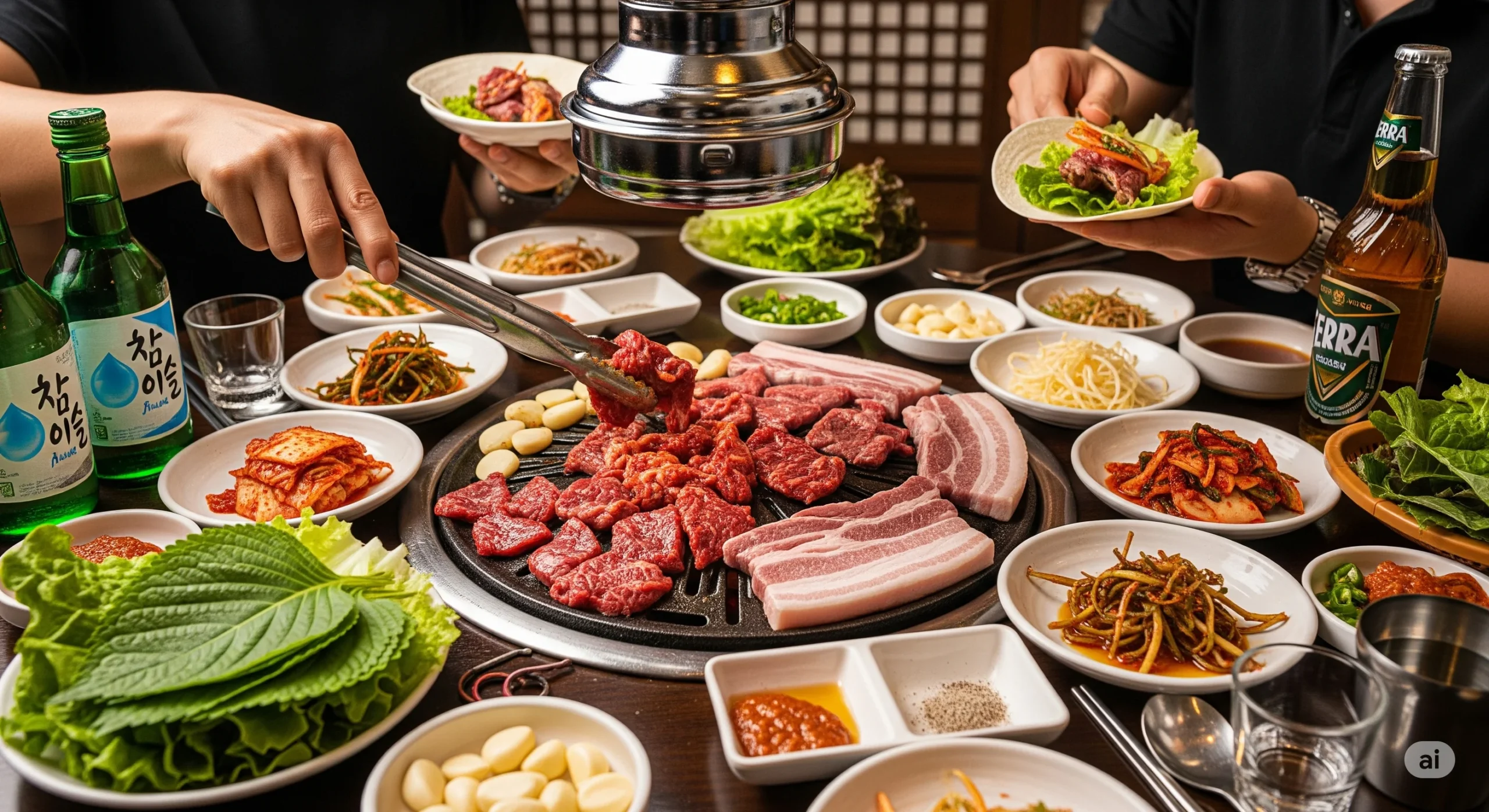
How to Host the Ultimate Korean BBQ Night at Home
After nearly two decades of exploring countless Korean BBQ restaurants and waiting in long lines to satisfy my craving for sizzling meats and bold flavors, I’ve finally embraced the joy of cooking Korean BBQ at home. Now, I’m here to share the ultimate guide to throwing your own unforgettable korean barbeque evening with friends and family.
1. Why Korean BBQ Belongs in Your Home Kitchen
It’s one of my favorite ways to dine with others, offering a unique blend of social interaction and rich, savory flavors. Hosting it at home means no waiting, more flexibility, and a personal touch.
Rooted in Korean history, this style of dining dates back to the Goguryeo dynasty (37 BC – 668 AD), where early grilling methods evolved into dishes like bulgogi. Over centuries, Buddhist culinary influences have shaped today’s signature side dishes known as banchan. The modern Korean BBQ experience includes a vibrant spread: grilled meats, assorted side dishes, fresh vegetables, leafy wraps, dipping sauces, and refreshing beverages.
2. Creative Ways to Enjoy Korean BBQ at Home
There’s no single “correct” way to enjoy korean barbeque which is part of the fun! You can wrap your grilled meats in leafy greens like lettuce or perilla (kkaennip), use rice paper wraps (dduk bossam), or even slices of pickled radish for a tangy twist. One classic and satisfying method is to create a small wrap with meat, rice, sauce, and sides, all in one bite-sized bundle.
3. How Korean BBQ Compares to Global Grilling Traditions
While grilling meat is a universal concept, Korean BBQ stands out for its flavors, techniques, and presentation. Here’s how it stacks up against other popular barbecue styles
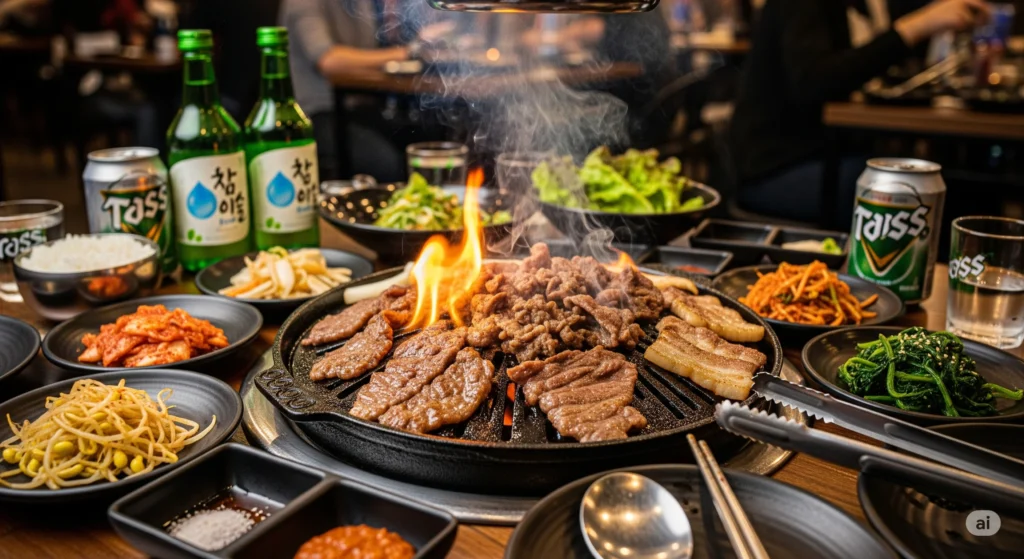
American BBQ
In the U.S., barbecue varies regionally but often involves smoking large cuts of meat like brisket, pork shoulder, or ribs over several hours. It’s usually paired with comfort sides like mac and cheese, potato salad, and cornbread. In contrast,korean barbeque focuses on thinly sliced, quick-cooking cuts like pork belly, short ribs, and marinated chicken, grilled fresh at the table.
Jamaican BBQ
Jamaican barbecue centers on bold flavors, particularly the island’s famous jerk seasoning made from allspice and Scotch bonnet peppers. Meats like chicken or pork are typically grilled whole or in pieces over a wood fire. korean barbeque differs in that its marinades aim for balanced flavors using soy sauce, sesame oil, garlic, ginger, rice wine, and a touch of sweetness—without letting any one flavor overpower the rest.
Japanese BBQ
Japanese BBQ, or yakiniku, shares some similarities with Korean BBQ, but there are key differences. Japanese grilling often skips the marinade and relies instead on dipping sauces. Additionally, korean barbeque meals always include a variety of side dishes served alongside the main proteins, whereas Japanese BBQ tends to be more minimalist, especially in its use of vegetables.
4. Bringing korean barbeque to Your Table
Making Korean BBQ at home it about creating a warm, interactive atmosphere. With a bit of prep, you can turn your dining area into a lively, DIY grill station. All you need are the right meats, some classic sides, and a portable grill (or stovetop griddle). Add a few drinks and a good playlist, and you’ve got yourself a memorable night.